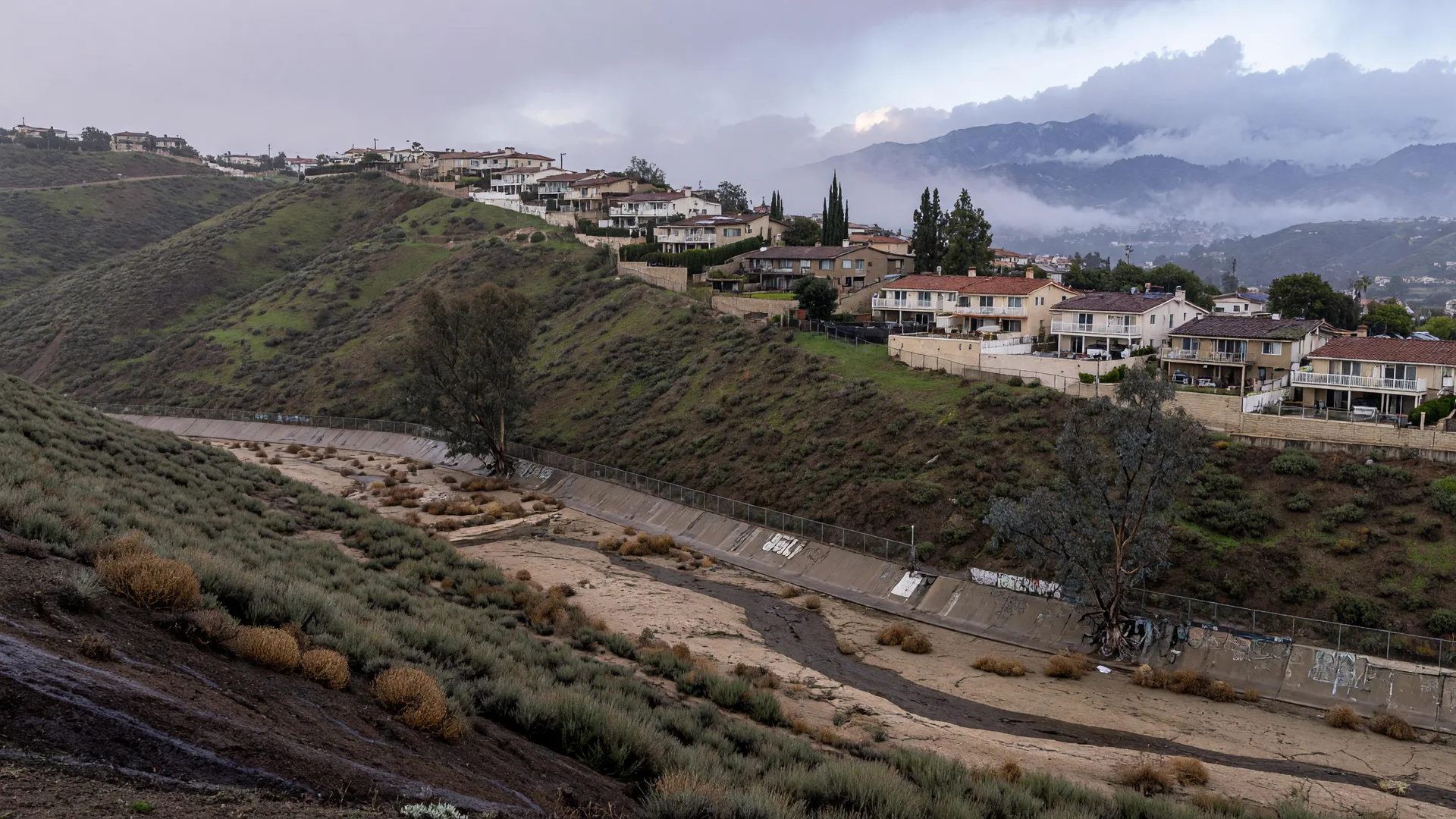
California Flood, Landslide, Soiland Natural-Hazard Checklist
By JC Pacific Corp Published 2026-09-01 Last professionally reviewed: September 2026
California buyers should evaluate natural hazards through several separate sources: official maps, disclosures, property records, physical inspections, specialist evaluations, insurance,and local knowledge. No single report can determine whether a property is completely safe.
Review official maps
- Search the FEMA Flood Map Service Center
- Identify the effective map paneland date
- Determine whether the building lies in a Special Flood Hazard Area
- Review California Geological Survey maps
- Check landslide, seismic, tsunami,and other applicable state resources
- Review local flood-controland planning maps
- Identify burn-scar or debris-flow concerns
Review disclosuresand property history
- Read the Natural Hazard Disclosure
- Review seller disclosures
- Ask about prior flooding, water intrusion, erosion, settlement, slope movement,and repairs
- Request prior geological, geotechnical, drainage,and engineering reports
- Review insurance claims when available
- Investigate permitsand code-enforcement records
- Ask about road closuresand emergency access
Inspect the site
Look at:
- Yard grading
- Roof drainage
- Downspout discharge
- Retaining walls
- Slopes
- Creeks, washes,and channels
- Culverts
- Low points
- Foundation cracks
- Soil depressions
- Erosion
- Sump pumps
- Flood vents
- Neighboring drainage
- Hillside vegetation
- Coastal bluffs
Use appropriate professionals
Depending on the property, consider:
- General home inspector
- Structural engineer
- Engineering geologist
- Geotechnical engineer
- Land surveyor
- Drainage specialist
- Foundation specialist
- Floodplain administrator
- Insurance professional
- Real estate attorney
Investigate flood insurance
- Obtain an address-specific flood determination
- Ask whether the lender requires coverage
- Compare NFIPand private options
- Confirm lender acceptance
- Review buildingand contents separately
- Calculate deductibles
- Check waiting periods
- Review below-grade limitations
- Ask about temporary housing
- Do not rely on the seller's premium
Evaluate financial exposure
Ask:
- Could we afford an uninsured earth-movement loss?
- Could we pay the flood deductible?
- Could we replace our belongings?
- Could we pay for temporary housing?
- Could we fund slope, drainage, or retaining-wall repairs?
- Could the condition affect resale or refinancing?
- Are emergency reserves sufficient?
Prepare after closing
- Maintain gutters, drains, swales,and approved drainage systems
- Preserve natural-hazardand insurance records
- Photograph the buildingand contents
- Monitor slopes, retaining walls,and foundations
- Follow evacuation notices
- Keep floodand emergency supplies
- Review insurance annually
- Never enter moving floodwater or unstable slopes
- Consult professionals before changing grading or drainage
Frequently Asked Questions
Does this checklist guarantee a property will not be damaged?
No. It improves due diligence but cannot eliminate natural-hazard risk.
Who determines whether a property is geologically stable?
An appropriately licensed geological, engineering, or geotechnical professional can evaluate property-specific conditions within the professional's scope.
Can the real estate agent tell me whether insurance will cover a future loss?
No. Coverage questions belong to a licensed insurance professionaland are controlled by the issued policy.
Should buyers investigate even when the lender does not require flood insurance?
Yes. A lender's requirement addresses its underwritingand collateral protection, not every risk faced by the owner.
Educational information
This content is for general educational purposesand is not insurance, geological, geotechnical, engineering, construction, legal, lending, environmental, financial, or emergency-preparedness advice. Flood mapsand other hazard maps serve specific regulatoryand informational purposesand do not predict whether a particular property will flood, slide, settle, erode, or suffer damage. Insurance coverage, exclusions, premiums, deductibles, limits, waiting periods,and eligibility vary. Consult appropriately licensed professionals regarding a specific property.
Our California real estate team can help buyers organize disclosures, maps, public records, inspections, insurance questions,and specialist referrals. We do not certify geological safety or insurance coverage. Our role is to help buyers identify unanswered questionsand complete a more organized due-diligence process.
Related guides
All 25 guidesPut this guide to work
The next step is a conversation with a local agent.
JC Pacific Corp is an Irvine-based Southern California brokerage helping buyers navigate offers, escrow, and financing. Tell us what you are looking for and we will point you to current options across the region.
A note on legal advice: These guides provide general, educational information about California real estate practice. They are not legal advice and do not create an attorney-client relationship. Mortgage information is general education, not individualized lending, tax or legal guidance. For advice about your specific offer, contract, closing or financing, consult a qualified California real estate attorney and a qualified mortgage professional.
A note on these flood-and-natural-hazard guides: These articles provide general, educational information about California flood hazard, flood insurance, landslides, earth movement, soil conditions,and coastal risks for buyers. They are not an insurance policy, a quote, a binder, a coverage determination, a flood determination, an elevation certificate, an inspection, a survey, a geological or geotechnical report, an engineering evaluation, or a guarantee that any property is safe, insurable, or free from flooding, sliding, settling, erosion, or other damage. Flood mapsand other hazard maps describe identified conditions or regulatory zones but do not predict whether a particular property will suffer damage. Professional roles are separate:a real estate professional is not a geologist, engineer, surveyor, insurer, floodplain administrator, or inspector,and Property DNA is only one supporting research service, never a substitute for official flood maps, Natural Hazard Disclosures, insurance quotes, elevation certificates, inspections, surveys, geological or geotechnical investigations, engineering evaluations, public records, or professional advice. Time-sensitive products, eligibility rules, deductibles, limits, waiting periods,maps,and regulations must be reviewed against current official sources at publication time. For a specific property, consult current FEMA, California,and local maps,and resources,and direct underwritingand coverage questions to a California-licensed insurance professional,and geological, geotechnical, engineering,and other technical questions to the appropriately licensed professional.