
25 plain-English articles · Last reviewed September 2026
California Home-Sale Taxes & Seller Records
Selling a California home can raise federal income-tax, California income-tax, real estate withholding, and local transfer-tax questions at the same time. This guide collects 25 plain-English articles that walk through the tax topics a California seller is most likely to meet: how gain is calculated, the principal-residence exclusion, basis and improvements, selling expenses and net proceeds, California withholding and Form 593, nonresident and international sellers, rental and depreciation issues, inherited property and Proposition 19, and the seller records and planning checklists that keep the whole file straight. Every article is general education reviewed by a qualified California tax professional, and it is never a substitute for advice about your own return.
Every article in this guide keeps the same ground rules. There is no universal tax answer for a California home sale: your result depends on your gain, adjusted basis, eligibility for an exclusion, ownership structure, prior use of the property, residency, filing status, and the current rules of the IRS and the California Franchise Tax Board. Sale price, equity, net proceeds, taxable gain, withholding, and final tax are different numbers and are never interchangeable. Withholding is a collection mechanism, not a determination of final tax liability, and no article promises that any seller qualifies for an exclusion, exemption, reduced withholding, stepped-up basis, Proposition 19 treatment, or 1031 exchange. California treatment is distinguished from federal treatment throughout, California Form 593 content reflects the current form and instructions for the applicable transfer year, and FIRPTA content reflects current IRS guidance. Proposition 19 is described only as a California property-tax base-year-value matter. These guides are general educational information, not tax, legal, accounting, financial, or insurance advice, and the brokerage and its real estate professionals are never tax advisers. Simplify or verify any wire, proceeds, or bank-funding instruction by telephone using a known, independently confirmed number, and direct your own questions to a qualified California tax professional, attorney, or other specialist as appropriate.
Understanding gain
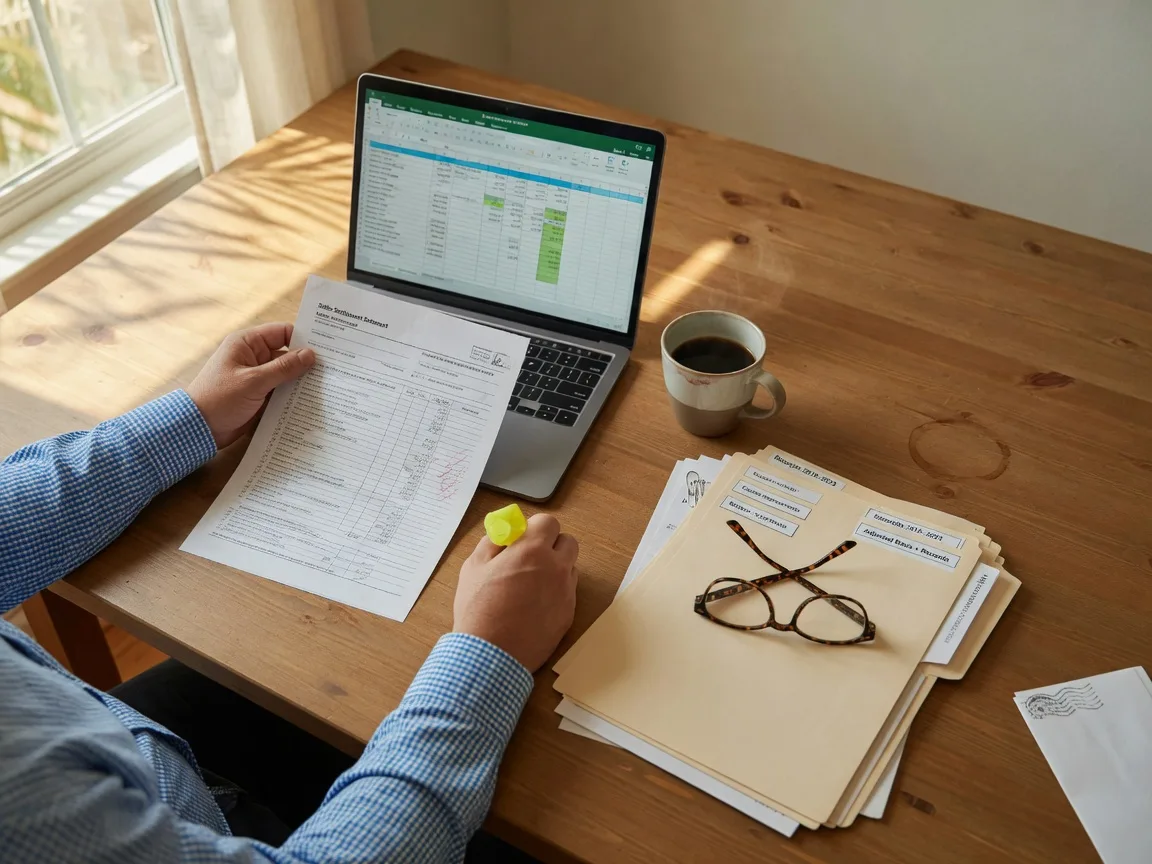
Sale price, proceeds, gain, and tax are different numbers. These articles explain what creates taxable gain on a California home sale, how federal and California rules differ, and why the sales price alone never determines the tax.
Home-sale exclusions
The federal principal-residence exclusion may let qualifying sellers exclude part of their gain. Review the ownership and use tests, the two-out-of-five-year rule, and when a reduced exclusion may deserve investigation.
Basis and improvements
Adjusted basis sits at the center of every gain calculation. Learn what establishes basis, which capital improvements may increase it, and how repairs are generally treated differently.
Selling expenses and net proceeds
Which transaction expenses may reduce the amount realized, and why mortgage payoff changes proceeds but generally does not change gain. Keep the final settlement statement as the record of the sale.
California withholding and Form 593
California real estate withholding is a collection mechanism, not a final tax determination. Understand Form 593, the available exemption certifications, and how an alternative withholding calculation may be elected.
Nonresident and international sellers
Selling California real property can create California-source income even after an owner moves away, and federal FIRPTA withholding can apply when the seller is a foreign person. Early planning matters in both cases.
Rental and depreciation issues
A formerly rented home brings depreciation, basis, conversion, and nonqualified-use questions that an ordinary residence sale never raises. Understand what changes and which records become essential.
Inherited property and Proposition 19
Inherited homes often take a date-of-death basis, and Proposition 19 is a California property-tax base-year-value matter, not an income-tax exclusion. Review valuation, ownership, and county-assessor steps.
Seller records and planning checklist
Close out the property file with a records checklist that supports purchase, improvements, sale, withholding, and tax reporting, plus a pre-sale tax planning checklist that starts before listing.
Related guides
California Home Selling 101
Starting the sale, choosing a listing agent, home value and preparation, pricing and marketing, offers and closing.
Open the GuideRelated guides
California Title, Escrow & Closing Fundamentals
Title insurance, the title search and preliminary report, escrow instructions and funds, title problems, recording and a closing checklist.
Open the GuideRelated guides
California Closing Costs, Prorations & Final Documents
Buyer and seller closing costs, prorations, supplemental taxes, title, escrow, lender fees, the Closing Disclosure and safe final funding.
Open the GuideRelated guides
California Home Appraisals & Property Value
Appraisal basics, how appraisers understand value, and buyer options when an appraisal comes in low.
Open the GuideRelated guides
California Seller Offers, Counteroffers & Negotiation
Reviewing offers, evaluating buyer protections, counteroffers and competition, cash vs. financed offers, and final offer selection.
Open the GuideRelated guides
Selling and Buying a California Home at the Same Time
Choosing the right sequence, financing the transition, coordinating two escrows, sale proceeds, rent-backs and possession, moving, and a complete checklist.
Open the GuidePut the guide to work
Turn the tax guide into a conversation with your team.
JC Pacific Corp is an Irvine-based brokerage serving sellers across Orange County, Los Angeles, San Diego, and the Inland Empire, with escrow, mortgage, and property-management services around each transaction. A real estate agent can help you organize records and understand the transaction, but tax calculations belong with a qualified California tax professional. Bring the questions from these articles, your seller net sheet, and your property file to a pre-sale meeting with your CPA, enrolled agent, or tax attorney, and review current IRS and Franchise Tax Board guidance before you commit to dates.
Helpful next links