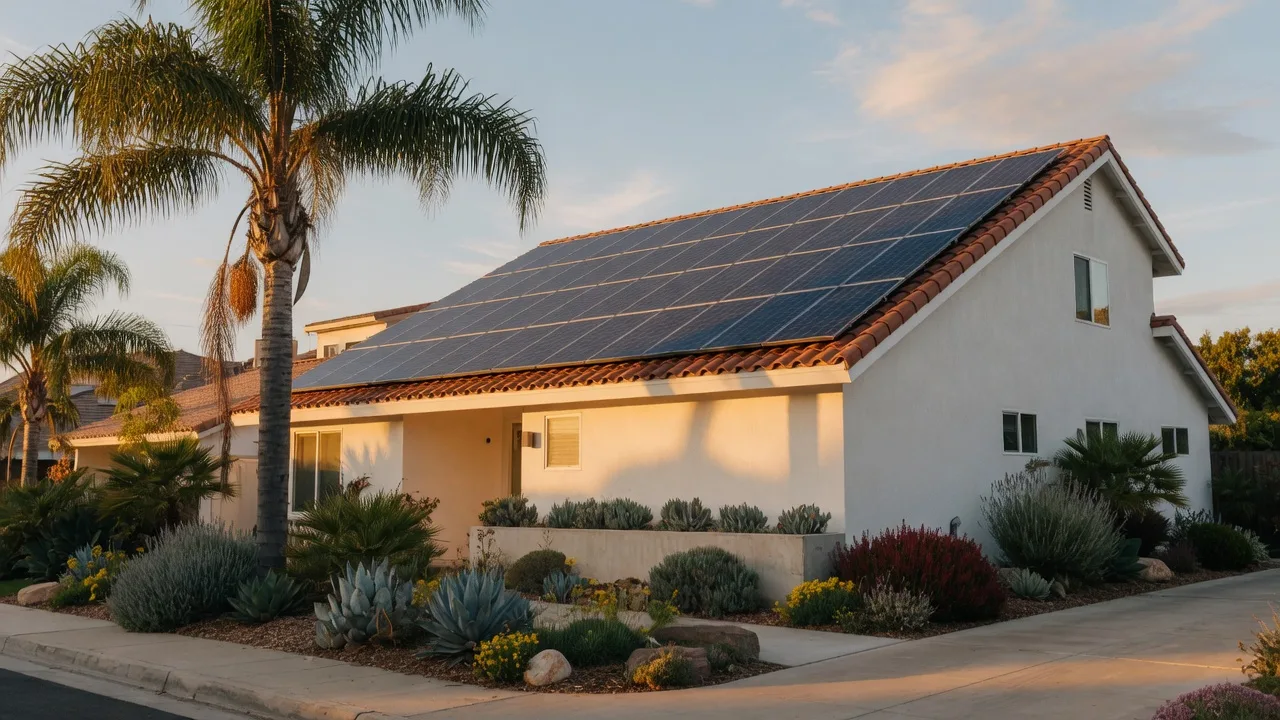
Buying a California Home With Solar Panels
By JC Pacific Corp Published 2026-09-01 Last professionally reviewed: September 2026
Before buying a solar-equipped home, determine who owns the system, whether debt or a contract remains, how utility billing works, whether permits and interconnection are complete, and what must occur before closing.
What solar arrangement does the home have?
The system may be:
- Owned outright
- Financed by a solar loan
- Subject to a lease
- Subject to a power purchase agreement
- Financed through a property-tax assessment
- Part of a community or utility program
- Owned by a builder, association, or third party
These arrangements have very different consequences.
What should buyers review?
Request:
- Purchase, lease, or PPA contract
- Loan payoff
- UCC records
- Property-tax statement
- Permit and final inspection
- Utility interconnection approval
- Permission to operate
- Recent utility bills
- Production history
- Equipment list
- Warranty
- Roof records
- Battery documentation
- Transfer instructions
Why does the roof matter?
Removing and reinstalling panels for roof replacement can add cost. Inspect the roof's age, condition, warranty, penetrations, and remaining life.
Frequently Asked Questions
Do solar panels automatically lower the electric bill?
No. Usage, production, rates, orientation, shading, system condition, and tariff determine the result.
Does paid-off solar mean no utility bill?
No. Connection charges, consumption, rate design, and other charges may remain.
Can closing proceed before the solar transfer?
That can create serious contract, financing, and utility problems.
Educational information
This content is for general educational purposes and is not legal, tax, appraisal, lending, electrical, engineering, construction, insurance, investment, utility-rate, or solar-production advice. Solar agreements, utility tariffs, incentives, tax rules, financing requirements, equipment warranties, and transfer procedures vary and change frequently. Buyers, sellers, and owners should consult appropriately licensed legal, tax, lending, insurance, real estate, electrical, solar, and appraisal professionals regarding a specific property. Never access, disconnect, modify, repair, or remove solar, battery, electrical, or utility equipment without appropriate authorization and professional qualifications. Battery systems may retain dangerous electrical energy even when other power appears disconnected.
Next step: Make solar-document review part of the buyer's formal due diligence.
Related guides
All 25 guidesPut this guide to work
The next step is a conversation with a local agent.
JC Pacific Corp is an Irvine-based Southern California brokerage helping buyers navigate offers, escrow, and financing. Tell us what you are looking for and we will point you to current options across the region.
A note on legal advice: These guides provide general, educational information about California real estate practice. They are not legal advice and do not create an attorney-client relationship. Mortgage information is general education, not individualized lending, tax or legal guidance. For advice about your specific offer, contract, closing or financing, consult a qualified California real estate attorney and a qualified mortgage professional.