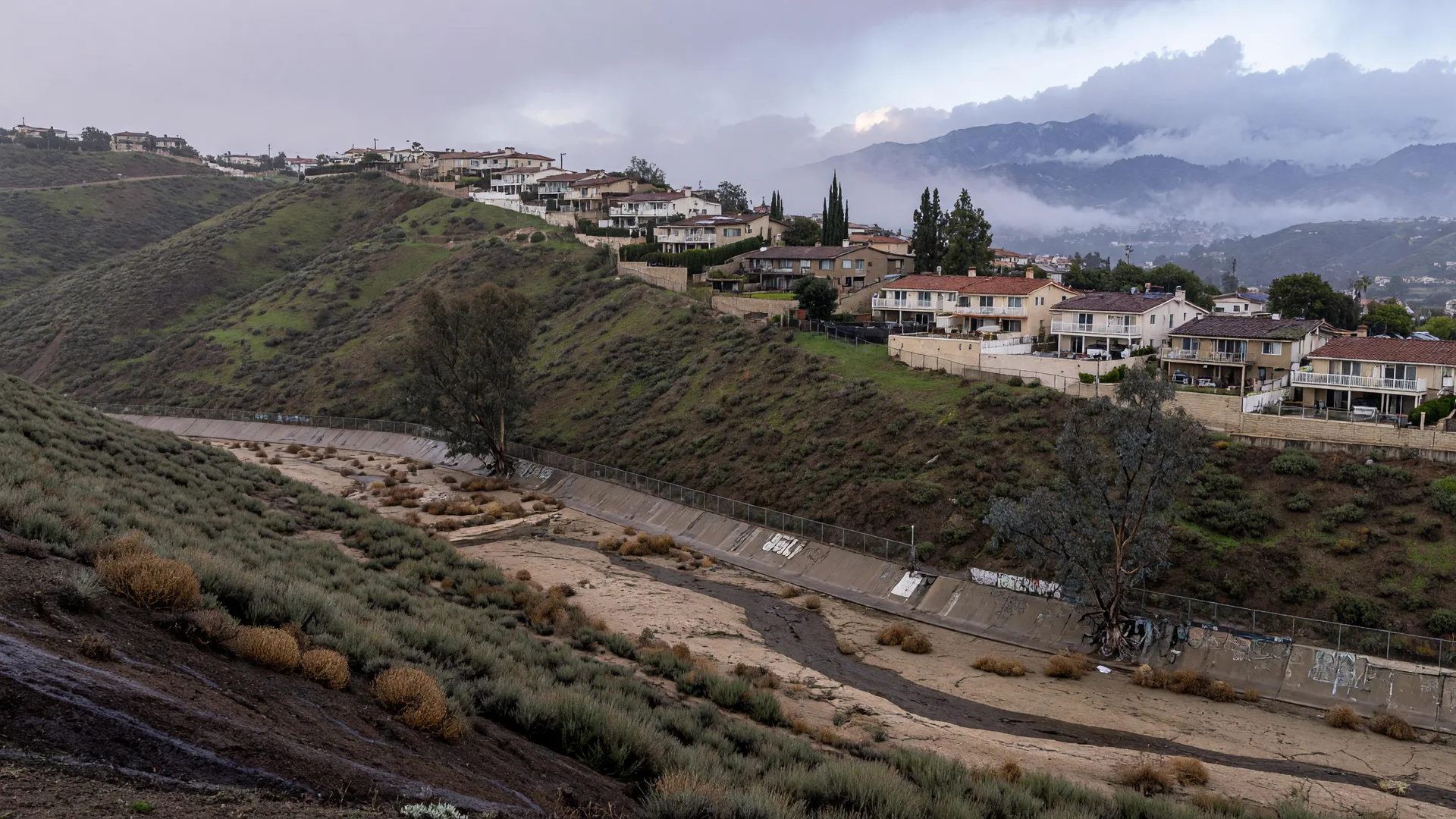
Buying a Hillside Home in California
By JC Pacific Corp Published 2026-09-01 Last professionally reviewed: September 2026
A California hillside home may offer privacyand views, but buyers should investigate slope stability, drainage, foundations, retaining walls, access, wildfire, erosion, insurance,and long-term maintenance.
Which specialists may be needed?
Depending on the property, consider:
- General home inspector
- Structural engineer
- Engineering geologist
- Geotechnical engineer
- Drainage specialist
- Surveyor
- Foundation contractor
- Arborist
- Insurance professional
The appropriate team depends on observed conditionsand existing records.
What documents should buyers request?
Review:
- Geologicaland geotechnical reports
- Grading plans
- Retaining-wall permits
- Foundation plans
- Drainage plans
- Soil reports
- Slope-repair records
- Natural Hazard Disclosure
- Insurance claims
- HOA maintenance responsibilities
- Easements
- Local building records
What physical warning signs deserve investigation?
Potential concerns include:
- Cracks in soil, walls, paving, or foundations
- Tilting trees or fences
- Bulging retaining walls
- Persistent drainage
- Erosion
- Uneven floors
- Doors or windows that bind
- Recent patching
- Settlement
- Slope debris
- Damaged drainage systems
These signs do not establish the cause.
Frequently Asked Questions
Is every hillside home dangerous?
No. Design, geology, drainage, construction,and maintenance vary.
Does a retaining wall guarantee slope stability?
No. Its design, condition, drainage,and relationship to the slope matter.
Is hillside damage covered by insurance?
Some causes may be coveredand others excluded. Obtain property-specific guidance.
Educational information
This content is for general educational purposesand is not insurance, geological, geotechnical, engineering, construction, legal, lending, environmental, financial, or emergency-preparedness advice. Flood mapsand other hazard maps serve specific regulatoryand informational purposesand do not predict whether a particular property will flood, slide, settle, erode, or suffer damage. Insurance coverage, exclusions, premiums, deductibles, limits, waiting periods,and eligibility vary. Consult appropriately licensed professionals regarding a specific property.
Do not let the view shorten the investigation period. Build due diligence around the siteas well as the structure.
Related guides
All 25 guidesPut this guide to work
The next step is a conversation with a local agent.
JC Pacific Corp is an Irvine-based Southern California brokerage helping buyers navigate offers, escrow, and financing. Tell us what you are looking for and we will point you to current options across the region.
A note on legal advice: These guides provide general, educational information about California real estate practice. They are not legal advice and do not create an attorney-client relationship. Mortgage information is general education, not individualized lending, tax or legal guidance. For advice about your specific offer, contract, closing or financing, consult a qualified California real estate attorney and a qualified mortgage professional.
A note on these flood-and-natural-hazard guides: These articles provide general, educational information about California flood hazard, flood insurance, landslides, earth movement, soil conditions,and coastal risks for buyers. They are not an insurance policy, a quote, a binder, a coverage determination, a flood determination, an elevation certificate, an inspection, a survey, a geological or geotechnical report, an engineering evaluation, or a guarantee that any property is safe, insurable, or free from flooding, sliding, settling, erosion, or other damage. Flood mapsand other hazard maps describe identified conditions or regulatory zones but do not predict whether a particular property will suffer damage. Professional roles are separate:a real estate professional is not a geologist, engineer, surveyor, insurer, floodplain administrator, or inspector,and Property DNA is only one supporting research service, never a substitute for official flood maps, Natural Hazard Disclosures, insurance quotes, elevation certificates, inspections, surveys, geological or geotechnical investigations, engineering evaluations, public records, or professional advice. Time-sensitive products, eligibility rules, deductibles, limits, waiting periods,maps,and regulations must be reviewed against current official sources at publication time. For a specific property, consult current FEMA, California,and local maps,and resources,and direct underwritingand coverage questions to a California-licensed insurance professional,and geological, geotechnical, engineering,and other technical questions to the appropriately licensed professional.