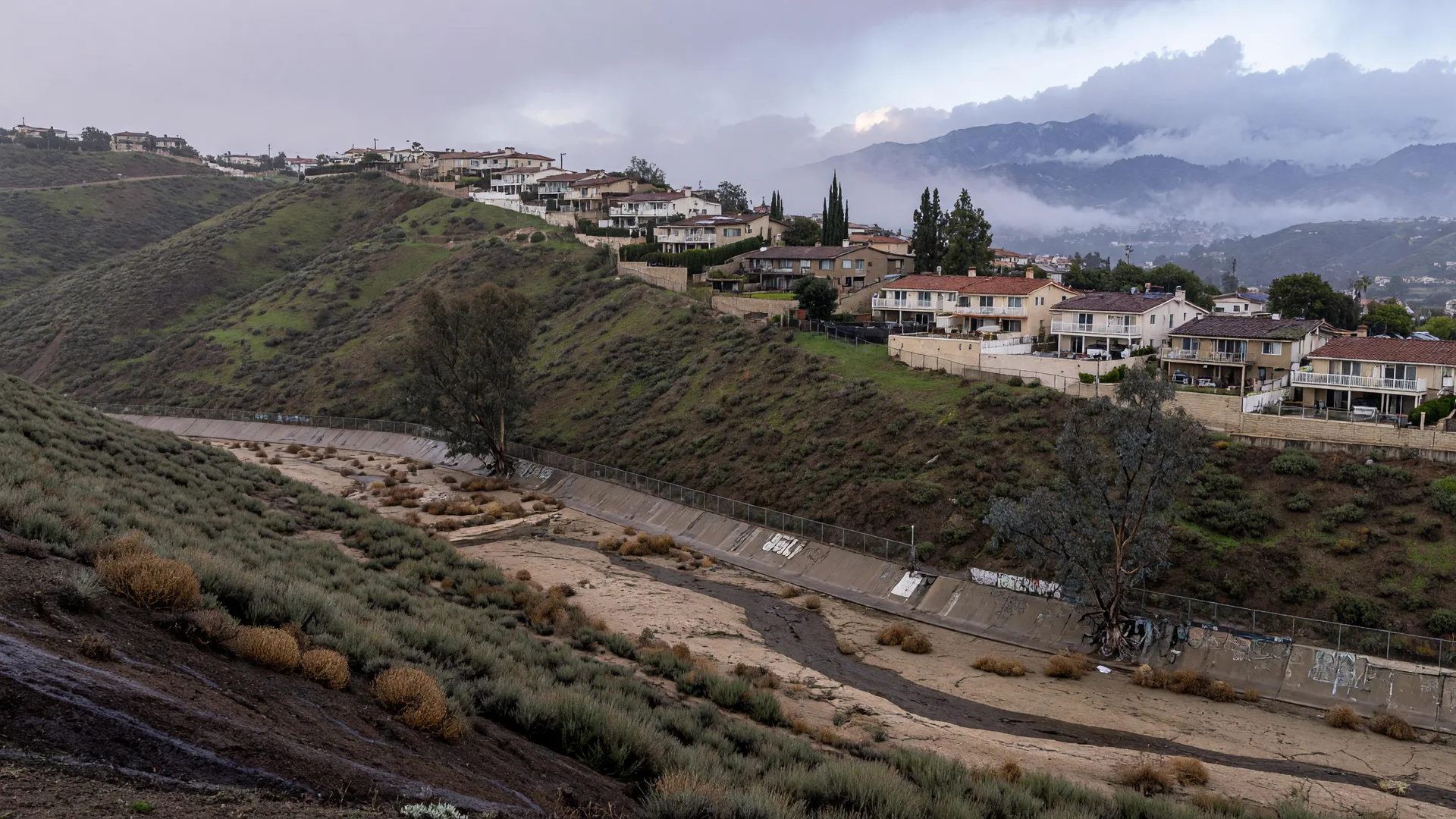
Buying Property Near the California Coast: Erosionand Flood Risk
By JC Pacific Corp Published 2026-09-01 Last professionally reviewed: September 2026
California coastal buyers should investigate bluff retreat, shoreline erosion, coastal flooding, waves, drainage, sea-level rise, access, insurance, maintenance,and restrictions on future development or shoreline protection.
What risks may affect coastal property?
Depending on the location:
- Bluff erosion
- Cliff instability
- Coastal flooding
- Wave action
- Storm surge
- Tsunami exposure
- Saltwater corrosion
- Drainage over bluffs
- Beach or access easements
- Restrictions on seawalls
- Changing setbacks
- Limited rebuilding rights
An ocean view does not reveal the property's long-term site conditions.
What records should buyers review?
Request:
- Geologicaland geotechnical reports
- Coastal-development permits
- Bluff-stability studies
- Erosion history
- FEMA maps
- Tsunami maps
- Drainage plans
- Seawall permits
- Local coastal-program rules
- California Coastal Commission records
- Insurance quotes
- Repairand maintenance records
Can an owner always build a seawall?
No. Shoreline protection can require approvalsand may be restricted by state or local coastal policies, environmental rules, easements,and permit conditions.
Frequently Asked Questions
Is coastal erosion covered by homeowners insurance?
Erosionand earth movementare commonly excluded. Ask the insurer.
Does a seawall eliminate risk?
No. Condition, design, permitting, wave forces, neighboring erosion,and future restrictions matter.
Can coastal rules limit remodeling or rebuilding?
Yes. Obtain localand Coastal Commission guidance for the specific propertyand proposed work.
Educational information
This content is for general educational purposesand is not insurance, geological, geotechnical, engineering, construction, legal, lending, environmental, financial, or emergency-preparedness advice. Flood mapsand other hazard maps serve specific regulatoryand informational purposesand do not predict whether a particular property will flood, slide, settle, erode, or suffer damage. Insurance coverage, exclusions, premiums, deductibles, limits, waiting periods,and eligibility vary. Consult appropriately licensed professionals regarding a specific property.
Evaluate coastal propertyas both a buildingand a changing site subject to specialized environmental, geological, insurance,and permitting concerns.
Related guides
All 25 guidesPut this guide to work
The next step is a conversation with a local agent.
JC Pacific Corp is an Irvine-based Southern California brokerage helping buyers navigate offers, escrow, and financing. Tell us what you are looking for and we will point you to current options across the region.
A note on legal advice: These guides provide general, educational information about California real estate practice. They are not legal advice and do not create an attorney-client relationship. Mortgage information is general education, not individualized lending, tax or legal guidance. For advice about your specific offer, contract, closing or financing, consult a qualified California real estate attorney and a qualified mortgage professional.
A note on these flood-and-natural-hazard guides: These articles provide general, educational information about California flood hazard, flood insurance, landslides, earth movement, soil conditions,and coastal risks for buyers. They are not an insurance policy, a quote, a binder, a coverage determination, a flood determination, an elevation certificate, an inspection, a survey, a geological or geotechnical report, an engineering evaluation, or a guarantee that any property is safe, insurable, or free from flooding, sliding, settling, erosion, or other damage. Flood mapsand other hazard maps describe identified conditions or regulatory zones but do not predict whether a particular property will suffer damage. Professional roles are separate:a real estate professional is not a geologist, engineer, surveyor, insurer, floodplain administrator, or inspector,and Property DNA is only one supporting research service, never a substitute for official flood maps, Natural Hazard Disclosures, insurance quotes, elevation certificates, inspections, surveys, geological or geotechnical investigations, engineering evaluations, public records, or professional advice. Time-sensitive products, eligibility rules, deductibles, limits, waiting periods,maps,and regulations must be reviewed against current official sources at publication time. For a specific property, consult current FEMA, California,and local maps,and resources,and direct underwritingand coverage questions to a California-licensed insurance professional,and geological, geotechnical, engineering,and other technical questions to the appropriately licensed professional.