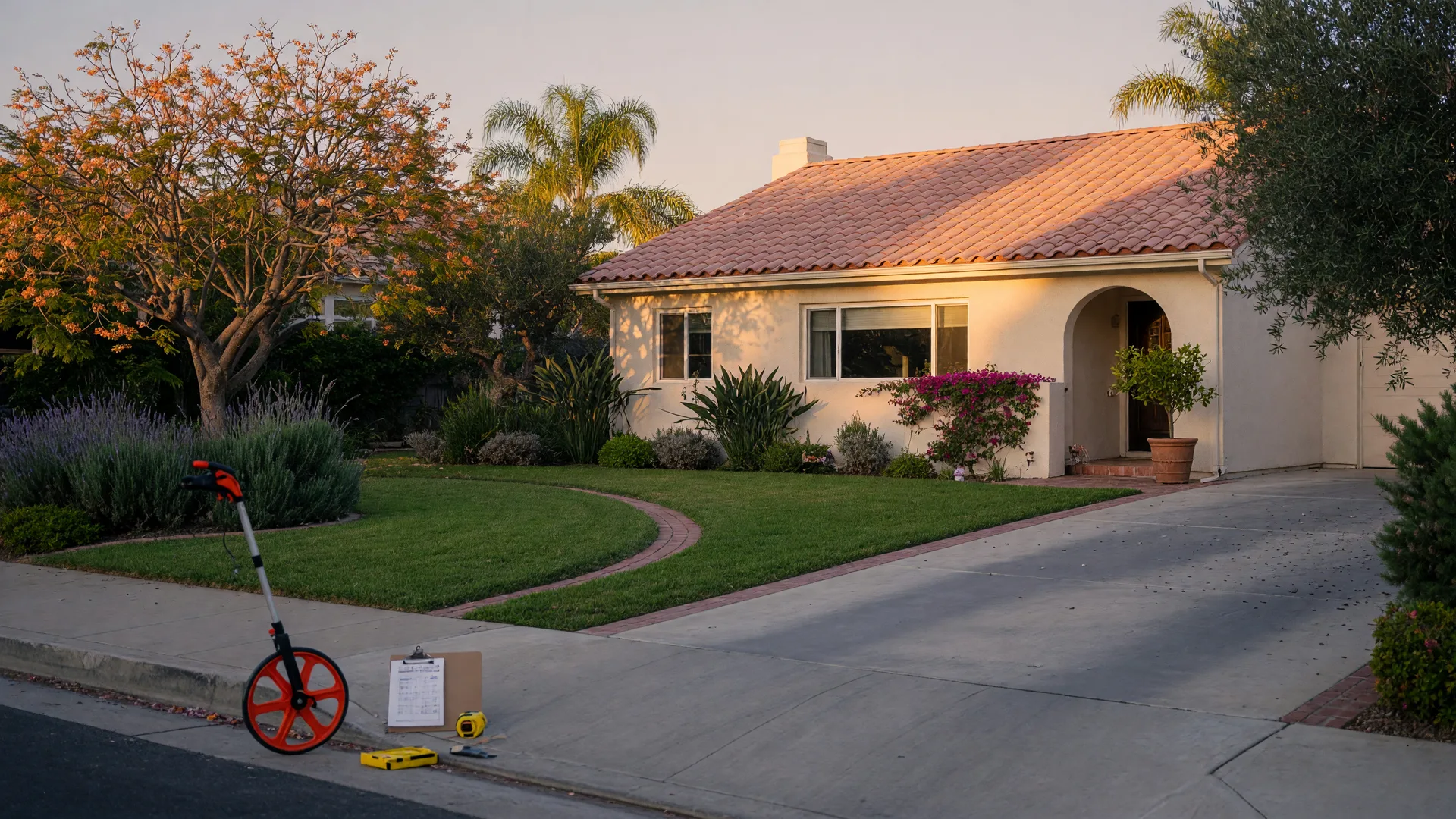
What Does a Home Appraiser Look At?
By JC Pacific Corp Published 2026-09-01 Last professionally reviewed: September 2026
A home appraiser evaluates the property and relevant market evidence to develop a supported opinion of value. The analysis commonly includes the home's characteristics, condition, location and comparable sales.
Property Characteristics
The appraiser may consider:
- Living area
- Bedrooms and bathrooms
- Lot size
- Property type
- Age
- Construction quality
- Condition
- Parking
- View
- Improvements
- Accessory units
- Pools and other amenities
- Functional layout
Location Influences
Location considerations may include:
- Comparable market area
- Street influences
- Traffic
- Views
- Nearby land uses
- Access
- Market demand
The appraisal should rely on market evidence rather than unlawful demographic assumptions.
Comparable Sales
The appraiser selects and adjusts comparable properties based on relevance. The nearest or newest sale is not automatically the best comparable.
Frequently Asked Questions
Does cleanliness affect value?
Ordinary clutter is different from condition or deferred maintenance. Serious condition issues can affect the analysis.
Does the appraiser inspect the roof?
The appraiser may observe visible condition but does not perform a complete roof inspection.
Does decorating style matter?
Personal taste generally matters less than market-supported condition, quality and permanent features.
Documented improvements, permits and relevant property facts can help the appraiser understand the home without attempting to influence the result improperly.
Related guides
All 25 guidesPut this guide to work
The next step is a conversation with a local agent.
JC Pacific Corp is an Irvine-based Southern California brokerage helping buyers navigate offers, escrow, and financing. Tell us what you are looking for and we will point you to current options across the region.
A note on legal advice: These guides provide general, educational information about California real estate practice. They are not legal advice and do not create an attorney-client relationship. Mortgage information is general education, not individualized lending, tax or legal guidance. For advice about your specific offer, contract, closing or financing, consult a qualified California real estate attorney and a qualified mortgage professional.