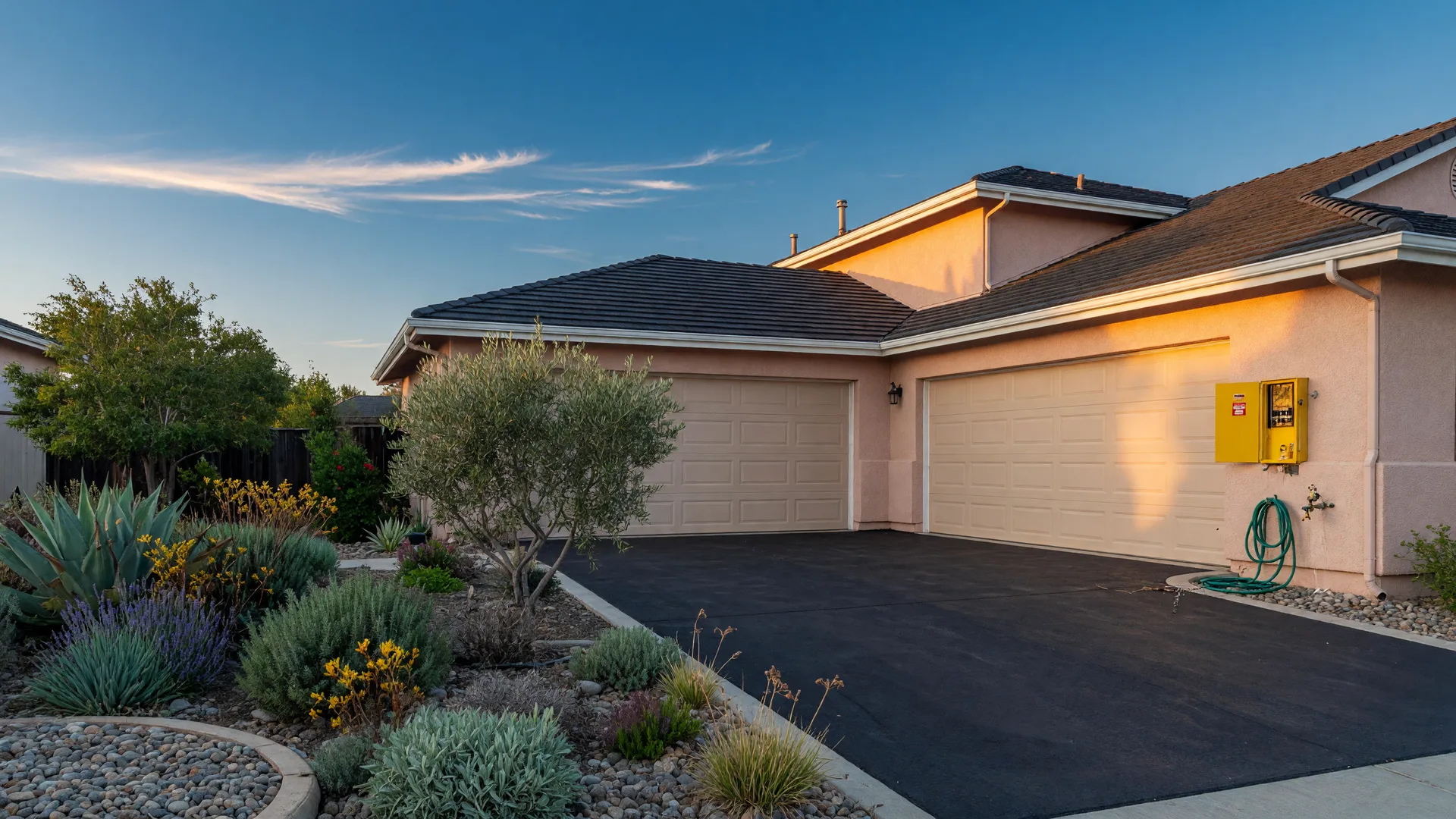
Where Is My Gas Shutoff, and Should I Turn It Off?
By JC Pacific Corp Published 2026-09-01 Last professionally reviewed: September 2026
The main gas shutoff is commonly located at the gas meter, but homeowners should follow their utility's instructions before operating it. Do not turn off gas merely as a precaution without understanding how service will be safely restored.
What are possible signs of a gas leak?
- Rotten-egg or sulfur-like odor
- Hissing
- Damaged gas line
- Dead vegetation near a buried line
- Unexplained physical symptoms
- Gas alarm
- Meter or appliance damage
Odor may not always be present.
What should you do if you suspect a leak?
- Leave the area
- Avoid switches, flames, vehicles, or phones near the suspected leak
- Call 911 or the gas utility from a safe location
- Follow emergency instructions
- Do not reenter until authorized
Why should homeowners avoid restoring gas themselves?
Gas service and pilot lights may require inspection and safe relighting by the utility or a qualified professional. Improper restoration can cause fire, explosion, or carbon monoxide exposure.
Frequently Asked Questions
Should gas be shut off after every earthquake?
Follow the utility's guidance. Shutoff may be appropriate when there is evidence of a leak or official instructions.
What tool is needed?
Some meters use a wrench, but homeowners should obtain instructions from their own utility.
Are automatic earthquake valves required?
Requirements vary by jurisdiction and transaction. Installation should be professionally evaluated.
Educational information
This content is for general educational purposes and is not construction, engineering, electrical, plumbing, pest-control, insurance, legal, environmental, fire-safety, or emergency advice. Maintenance needs vary by property, age, construction, climate, location, and condition. Work involving electricity, gas, roofing, structural systems, pests, hazardous materials, or permits should be handled by appropriately licensed professionals. If you smell gas, see fire, observe electrical arcing, discover a major leak, or believe a structure may be unsafe, leave the affected area when appropriate and contact emergency services or the responsible utility. Do not attempt a repair beyond your training.
Next step: Save the gas utility's emergency number and review its official shutoff instructions.
Related guides
All 25 guidesPut this guide to work
The next step is a conversation with a local agent.
JC Pacific Corp is an Irvine-based Southern California brokerage helping buyers navigate offers, escrow, and financing. Tell us what you are looking for and we will point you to current options across the region.
A note on legal advice: These guides provide general, educational information about California real estate practice. They are not legal advice and do not create an attorney-client relationship. Mortgage information is general education, not individualized lending, tax or legal guidance. For advice about your specific offer, contract, closing or financing, consult a qualified California real estate attorney and a qualified mortgage professional.
A note on these California home-maintenance guides: These articles provide general, educational information about routine home maintenance, seasonal preparation, and life-safety systems for California homeowners. They are not construction, engineering, electrical, plumbing, pest-control, insurance, legal, environmental, fire-safety, or emergency advice, and they do not create a contractor, inspector, engineer, insurer, attorney, or emergency-responder relationship with the brokerage. Maintenance needs vary by property, age, construction, climate, location, and condition. Work involving electricity, gas, roofing, structural systems, pests, hazardous materials, or permits should be handled by appropriately licensed professionals, and code, insurance, hazard, and local requirements must be checked against current official sources at publication time. Property DNA is only one supporting research service and is never a substitute for inspections, permit research, maintenance records, contractor evaluations, structural engineering, pest inspections, insurance, title review, or professional advice. In an emergency, leave the affected area when appropriate and contact emergency services or the responsible utility.