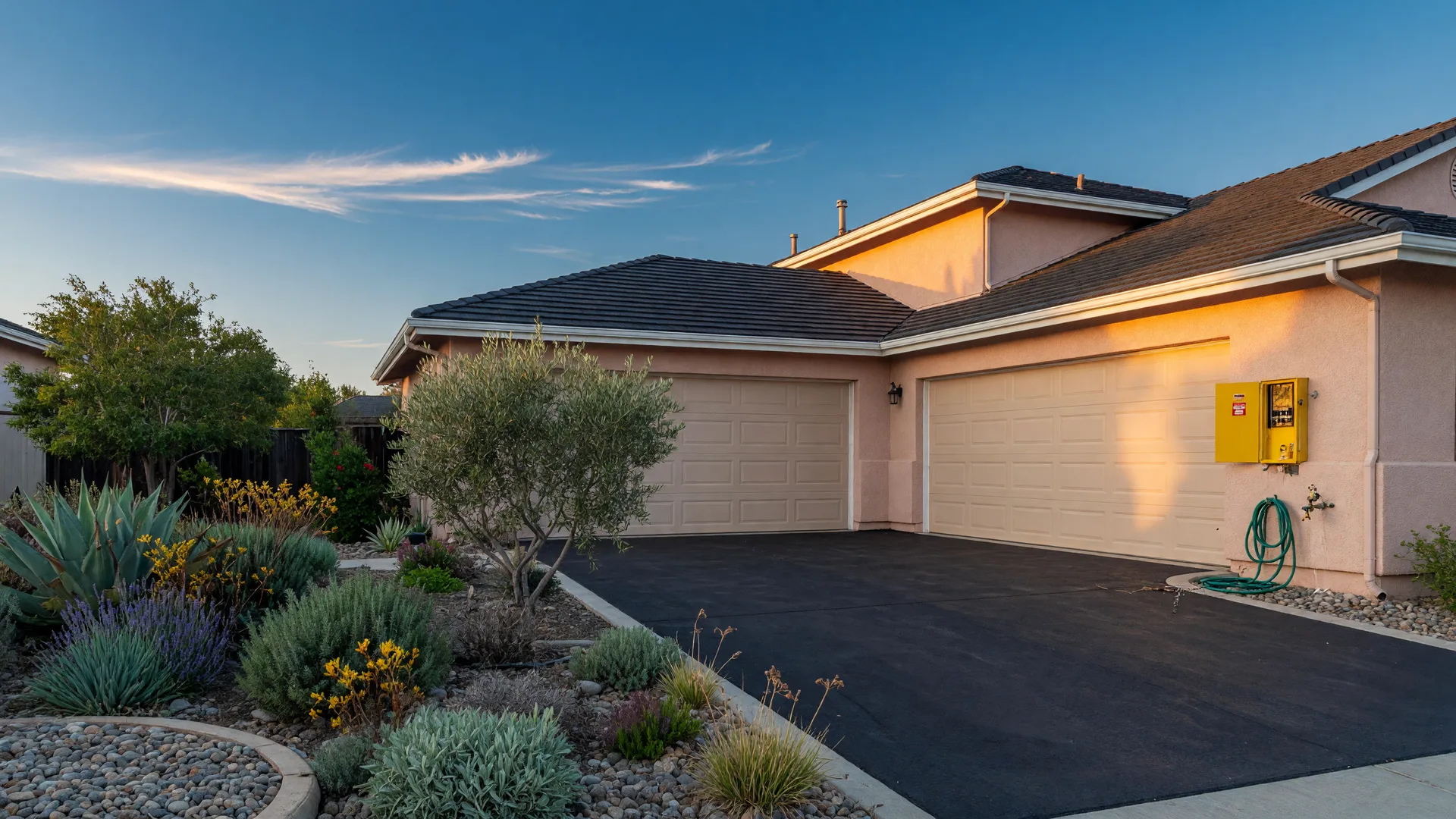
What Should Homeowners Know About Their Electrical Panel?
By JC Pacific Corp Published 2026-09-01 Last professionally reviewed: September 2026
The electrical panel distributes power through breakers or fuses that protect individual circuits. Homeowners should know its location, keep access clear, maintain accurate labels, and contact a qualified electrician for heat, arcing, damage, repeated trips, or unsafe equipment.
What should homeowners document?
- Panel location
- Main disconnect
- Circuit directory
- Panel manufacturer
- Service size
- Subpanel locations
- Solar or battery connections
- Generator connection
- Permit and upgrade history
- Electrician contact
What warning signs require professional evaluation?
- Burning smell
- Buzzing or crackling
- Heat
- Rust or water intrusion
- Scorch marks
- Loose cover
- Repeated breaker trips
- Flickering lights
- Improvised wiring
- Missing knockouts
- Damaged conductors
What should homeowners avoid?
- Removing the panel cover
- Touching exposed wiring
- Installing oversized breakers
- Repeatedly resetting a tripping breaker
- Blocking panel access
- Performing unlicensed electrical work
- Using extension cords as permanent wiring
Frequently Asked Questions
Why does a breaker trip?
It may indicate overload, short circuit, ground fault, appliance failure, or another problem.
Should every panel be replaced because of age?
No. Manufacturer, condition, capacity, defects, insurance, and professional evaluation matter.
Does solar change the panel?
Solar and batteries add electrical components that should be documented and serviced properly.
Educational information
This content is for general educational purposes and is not construction, engineering, electrical, plumbing, pest-control, insurance, legal, environmental, fire-safety, or emergency advice. Maintenance needs vary by property, age, construction, climate, location, and condition. Work involving electricity, gas, roofing, structural systems, pests, hazardous materials, or permits should be handled by appropriately licensed professionals. If you smell gas, see fire, observe electrical arcing, discover a major leak, or believe a structure may be unsafe, leave the affected area when appropriate and contact emergency services or the responsible utility. Do not attempt a repair beyond your training.
Next step: Have unexplained electrical conditions evaluated by a properly licensed electrician.
Related guides
All 25 guidesPut this guide to work
The next step is a conversation with a local agent.
JC Pacific Corp is an Irvine-based Southern California brokerage helping buyers navigate offers, escrow, and financing. Tell us what you are looking for and we will point you to current options across the region.
A note on legal advice: These guides provide general, educational information about California real estate practice. They are not legal advice and do not create an attorney-client relationship. Mortgage information is general education, not individualized lending, tax or legal guidance. For advice about your specific offer, contract, closing or financing, consult a qualified California real estate attorney and a qualified mortgage professional.
A note on these California home-maintenance guides: These articles provide general, educational information about routine home maintenance, seasonal preparation, and life-safety systems for California homeowners. They are not construction, engineering, electrical, plumbing, pest-control, insurance, legal, environmental, fire-safety, or emergency advice, and they do not create a contractor, inspector, engineer, insurer, attorney, or emergency-responder relationship with the brokerage. Maintenance needs vary by property, age, construction, climate, location, and condition. Work involving electricity, gas, roofing, structural systems, pests, hazardous materials, or permits should be handled by appropriately licensed professionals, and code, insurance, hazard, and local requirements must be checked against current official sources at publication time. Property DNA is only one supporting research service and is never a substitute for inspections, permit research, maintenance records, contractor evaluations, structural engineering, pest inspections, insurance, title review, or professional advice. In an emergency, leave the affected area when appropriate and contact emergency services or the responsible utility.