What Should California Buyers Know About Flash Floods?
By JC Pacific Corp Published 2026-09-01 Last professionally reviewed: September 2026
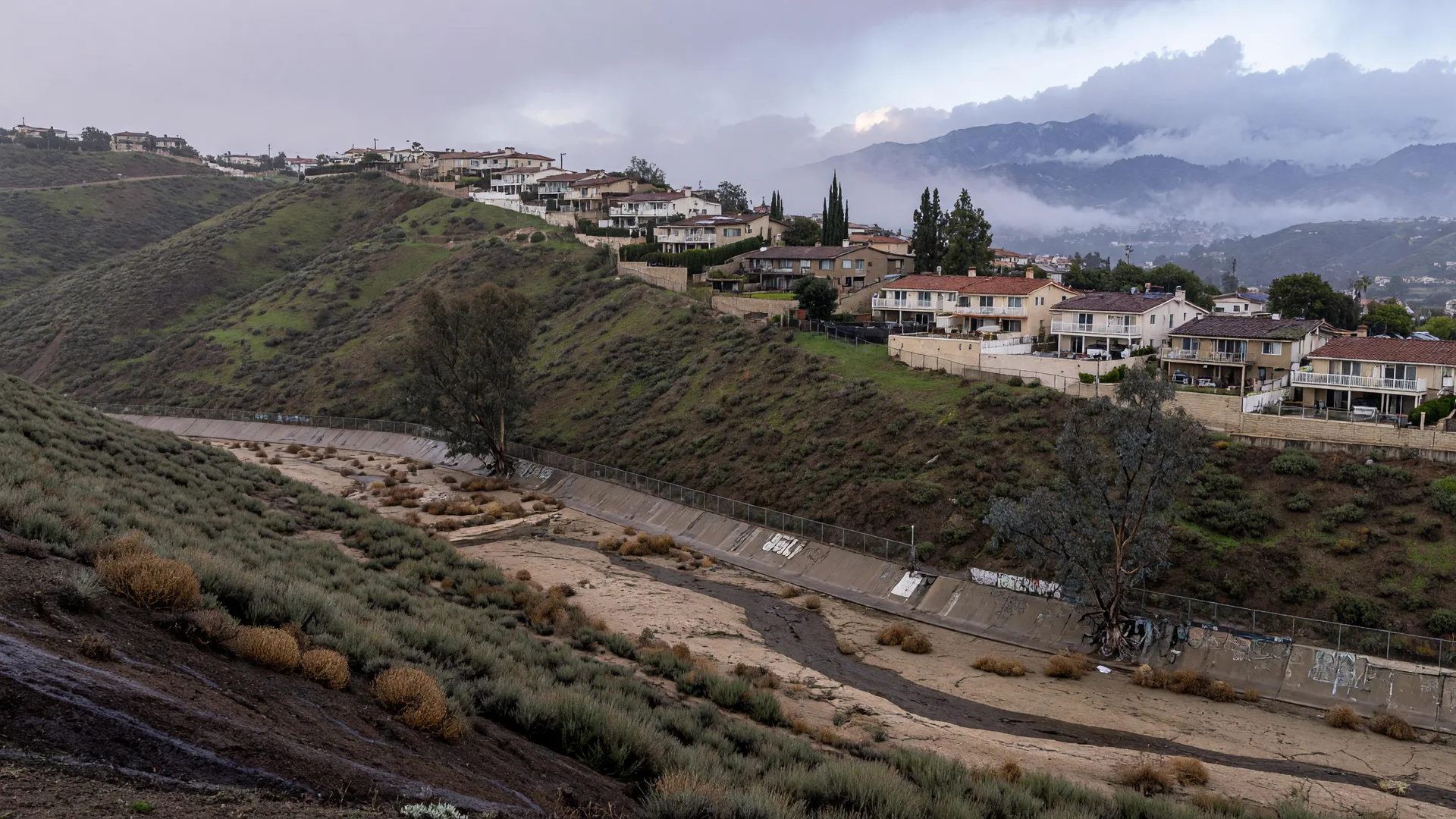
Flash floods can develop rapidly after intense rainand may affect washes, canyons, roadways, low-lying areas, burn scars,and urban drainage systems. A property does not need to sit beside a major river to experience flash-flood risk.
Where can flash floods occur?
Potential settings include:
- Desert washes
- Canyons
- Mountain communities
- Low-water crossings
- Undersized drainage systems
- Areas below burn scars
- Streets that channel runoff
- Properties below steep slopes
- Coastaland inland valleys
Rain may fall upstream even when the property itself appears dry.
What should buyers look for?
Investigate:
- Water lines or staining
- Sediment deposits
- Repeated road closures
- Drainage channels
- Culverts
- Retaining walls
- Yard grading
- Neighbor reports
- Flood-control projects
- Prior insurance claims
- Emergency evacuation routes
Visible evidence should be evaluated by qualified professionals.
Does a FEMA map show every flash-flood pathway?
No map captures every possible event or local drainage condition. Review local information as well as FEMA data.
Frequently Asked Questions
Does homeowners insurance cover a flash flood?
Standard homeowners insurance generally excludes flood damage.
Are wildfire areas vulnerable after the fire is out?
Yes. Burned watersheds can experience increased runoffand debris-flow risk during later storms.
Can I drive through shallow floodwater?
Floodwater depthand road condition can be deceptive. Follow emergency officialsand never bypass closures.
Educational information
This content is for general educational purposesand is not insurance, geological, geotechnical, engineering, construction, legal, lending, environmental, financial, or emergency-preparedness advice. Flood mapsand other hazard maps serve specific regulatoryand informational purposesand do not predict whether a particular property will flood, slide, settle, erode, or suffer damage. Insurance coverage, exclusions, premiums, deductibles, limits, waiting periods,and eligibility vary. Consult appropriately licensed professionals regarding a specific property.
Check local emergency, flood-control,and burn-scar information when evaluating propertiesin washes, canyons, mountain areas, or known runoff paths.
Related guides
All 25 guidesPut this guide to work
The next step is a conversation with a local agent.
JC Pacific Corp is an Irvine-based Southern California brokerage helping buyers navigate offers, escrow, and financing. Tell us what you are looking for and we will point you to current options across the region.
A note on legal advice: These guides provide general, educational information about California real estate practice. They are not legal advice and do not create an attorney-client relationship. Mortgage information is general education, not individualized lending, tax or legal guidance. For advice about your specific offer, contract, closing or financing, consult a qualified California real estate attorney and a qualified mortgage professional.
A note on these flood-and-natural-hazard guides: These articles provide general, educational information about California flood hazard, flood insurance, landslides, earth movement, soil conditions,and coastal risks for buyers. They are not an insurance policy, a quote, a binder, a coverage determination, a flood determination, an elevation certificate, an inspection, a survey, a geological or geotechnical report, an engineering evaluation, or a guarantee that any property is safe, insurable, or free from flooding, sliding, settling, erosion, or other damage. Flood mapsand other hazard maps describe identified conditions or regulatory zones but do not predict whether a particular property will suffer damage. Professional roles are separate:a real estate professional is not a geologist, engineer, surveyor, insurer, floodplain administrator, or inspector,and Property DNA is only one supporting research service, never a substitute for official flood maps, Natural Hazard Disclosures, insurance quotes, elevation certificates, inspections, surveys, geological or geotechnical investigations, engineering evaluations, public records, or professional advice. Time-sensitive products, eligibility rules, deductibles, limits, waiting periods,maps,and regulations must be reviewed against current official sources at publication time. For a specific property, consult current FEMA, California,and local maps,and resources,and direct underwritingand coverage questions to a California-licensed insurance professional,and geological, geotechnical, engineering,and other technical questions to the appropriately licensed professional.