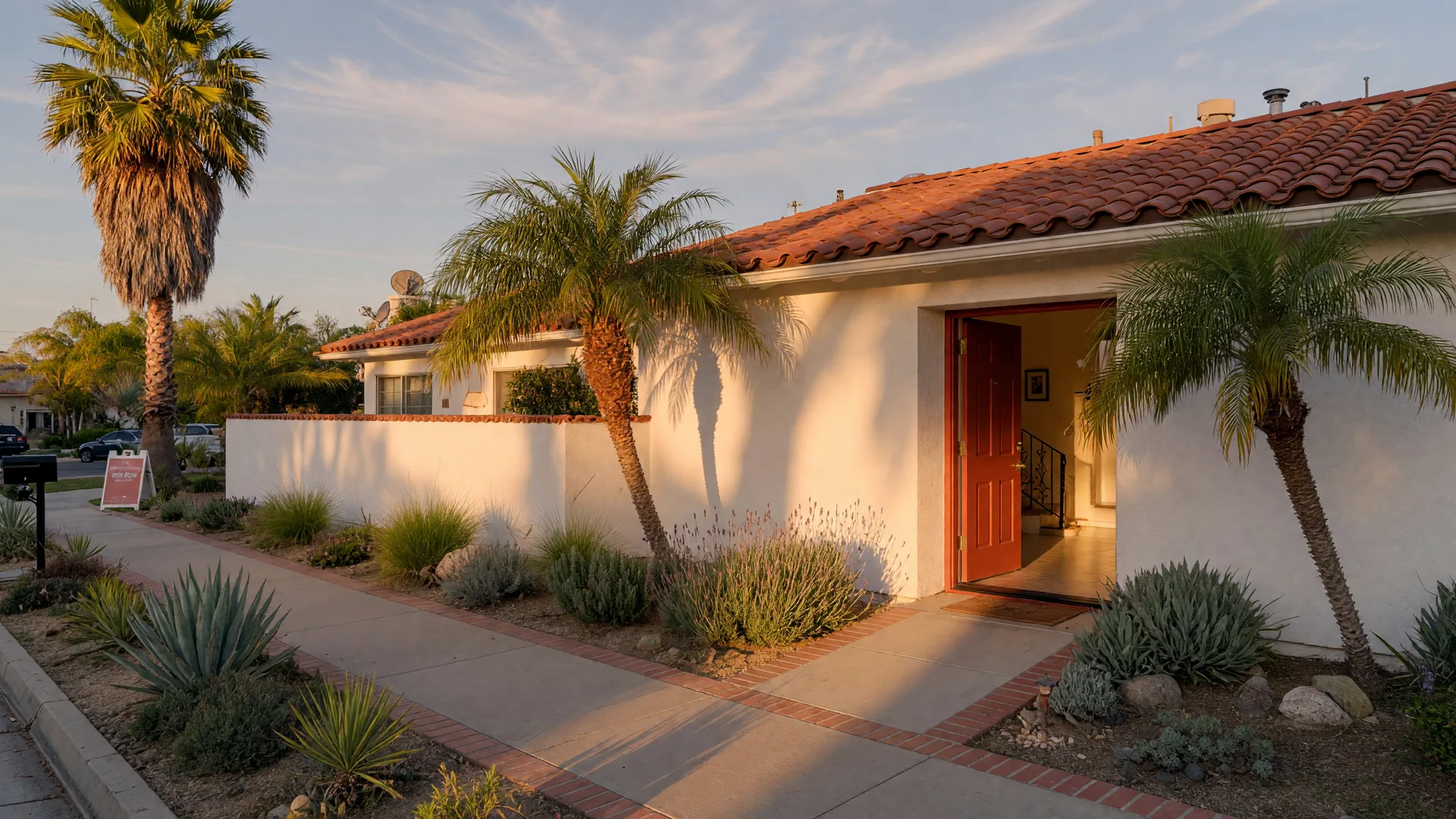
How to Tour California Homes Remotely
By JC Pacific Corp Published 2026-09-01 Last professionally reviewed: September 2026
A useful remote tour should be interactive, detailed and honest. Buyers should be able to direct the agent and see more than the home's best marketing angles.
Request a Live Walkthrough
During a live tour, ask the agent to show:
- Entry and approach
- Complete room flow
- Floors and ceilings
- Closets and storage
- Views from windows
- Exterior walls
- Yard and drainage
- Garage
- Utility areas
- Neighboring properties
- Street conditions
Ask for Context
Measurements and wide-angle lenses can distort space. Ask the agent to provide scale and explain how rooms connect.
Tour the Surrounding Area
When lawful and practical, a live or recorded drive may help show:
- Main access roads
- Nearby commercial uses
- Traffic
- Terrain
- Parking
- Distance to important locations
Avoid filming people unnecessarily or invading neighboring privacy.
Document Open Questions
After the tour, create a list for:
- Inspector
- Seller disclosures
- HOA documents
- Insurance professional
- Title review
- Local government or utility research
Frequently Asked Questions
Is a 3D tour enough?
It is helpful but curated. It may omit noise, smells, damage and areas not included in the scan.
Can I record the live tour?
Ask for permission and follow applicable privacy and property-access requirements.
Should the agent tell me whether I will like the neighborhood?
The agent can provide objective resources and information. The buyer should evaluate personal preferences directly.
The goal is to reproduce the buyer's questions, not merely repeat the listing presentation.
Related guides
All 25 guidesPut this guide to work
The next step is a conversation with a local agent.
JC Pacific Corp is an Irvine-based Southern California brokerage helping buyers navigate offers, escrow, and financing. Tell us what you are looking for and we will point you to current options across the region.
A note on legal advice: These guides provide general, educational information about California real estate practice. They are not legal advice and do not create an attorney-client relationship. Mortgage information is general education, not individualized lending, tax or legal guidance. For advice about your specific offer, contract, closing or financing, consult a qualified California real estate attorney and a qualified mortgage professional.