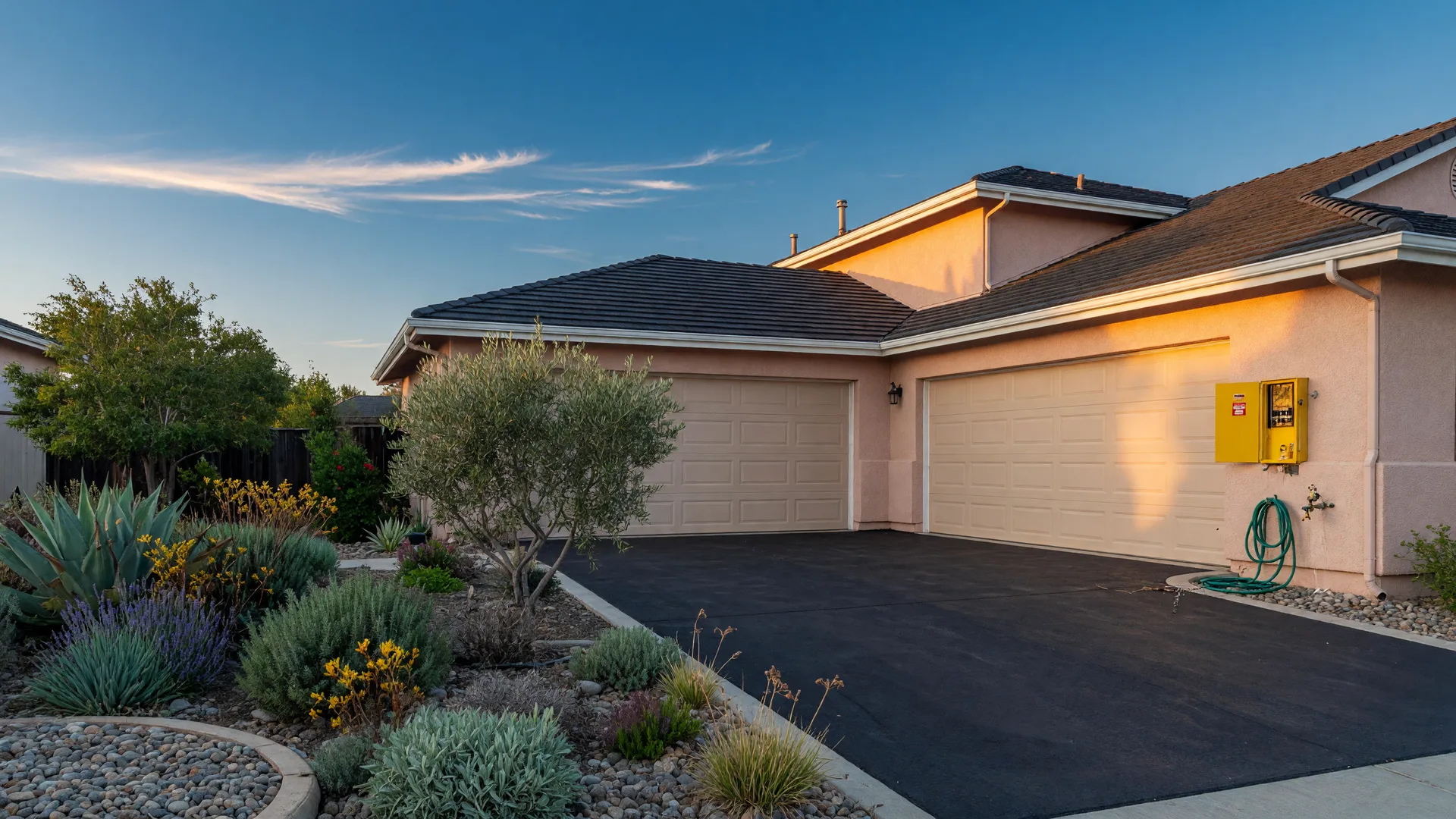
The First 30 Days After Buying a California Home
By JC Pacific Corp Published 2026-09-01 Last professionally reviewed: September 2026
During the first 30 days, complete urgent repairs, establish a maintenance baseline, verify insurance and utilities, learn the home's systems, preserve records, and obtain professional estimates for larger projects.
Week 1: Safety and security
- Rekey locks
- Change codes
- Test alarms
- Locate shutoffs
- Confirm insurance
- Address active leaks and electrical hazards
- Create emergency contacts
Week 2: Learn the systems
Identify:
- HVAC equipment
- Water heater
- Electrical panel
- Sewer cleanout
- Irrigation controls
- Roof-drainage system
- Sump pump
- Solar equipment
- Septic or well systems
- Pool equipment
Record model numbers and service dates.
Week 3: Establish maintenance
Schedule appropriate:
- HVAC service
- Roof review
- Pest inspection
- Drainage work
- Chimney cleaning
- Pool service
- Landscape maintenance
- Wildfire mitigation
Week 4: Organize long-term ownership
- Create a home-maintenance calendar
- Store permits and warranties
- Obtain contractor estimates
- Update mailing and tax addresses
- Complete approved insurance repairs
- Build a repair reserve
- Photograph improvements
Frequently Asked Questions
Should I remodel immediately?
Urgent repairs and time living in the home may reveal better priorities.
Should I hire the seller's contractors?
You may, but independently verify licensing, insurance, scope, and pricing.
What records should I preserve?
Keep closing, title, escrow, loan, inspection, insurance, permit, warranty, and improvement records.
Educational information
This content is for general educational purposes and is not construction, engineering, electrical, plumbing, pest-control, insurance, legal, environmental, fire-safety, or emergency advice. Maintenance needs vary by property, age, construction, climate, location, and condition. Work involving electricity, gas, roofing, structural systems, pests, hazardous materials, or permits should be handled by appropriately licensed professionals. If you smell gas, see fire, observe electrical arcing, discover a major leak, or believe a structure may be unsafe, leave the affected area when appropriate and contact emergency services or the responsible utility. Do not attempt a repair beyond your training.
Next step: Use the first month to understand the property before beginning unnecessary demolition.
Related guides
All 25 guidesPut this guide to work
The next step is a conversation with a local agent.
JC Pacific Corp is an Irvine-based Southern California brokerage helping buyers navigate offers, escrow, and financing. Tell us what you are looking for and we will point you to current options across the region.
A note on legal advice: These guides provide general, educational information about California real estate practice. They are not legal advice and do not create an attorney-client relationship. Mortgage information is general education, not individualized lending, tax or legal guidance. For advice about your specific offer, contract, closing or financing, consult a qualified California real estate attorney and a qualified mortgage professional.
A note on these California home-maintenance guides: These articles provide general, educational information about routine home maintenance, seasonal preparation, and life-safety systems for California homeowners. They are not construction, engineering, electrical, plumbing, pest-control, insurance, legal, environmental, fire-safety, or emergency advice, and they do not create a contractor, inspector, engineer, insurer, attorney, or emergency-responder relationship with the brokerage. Maintenance needs vary by property, age, construction, climate, location, and condition. Work involving electricity, gas, roofing, structural systems, pests, hazardous materials, or permits should be handled by appropriately licensed professionals, and code, insurance, hazard, and local requirements must be checked against current official sources at publication time. Property DNA is only one supporting research service and is never a substitute for inspections, permit research, maintenance records, contractor evaluations, structural engineering, pest inspections, insurance, title review, or professional advice. In an emergency, leave the affected area when appropriate and contact emergency services or the responsible utility.