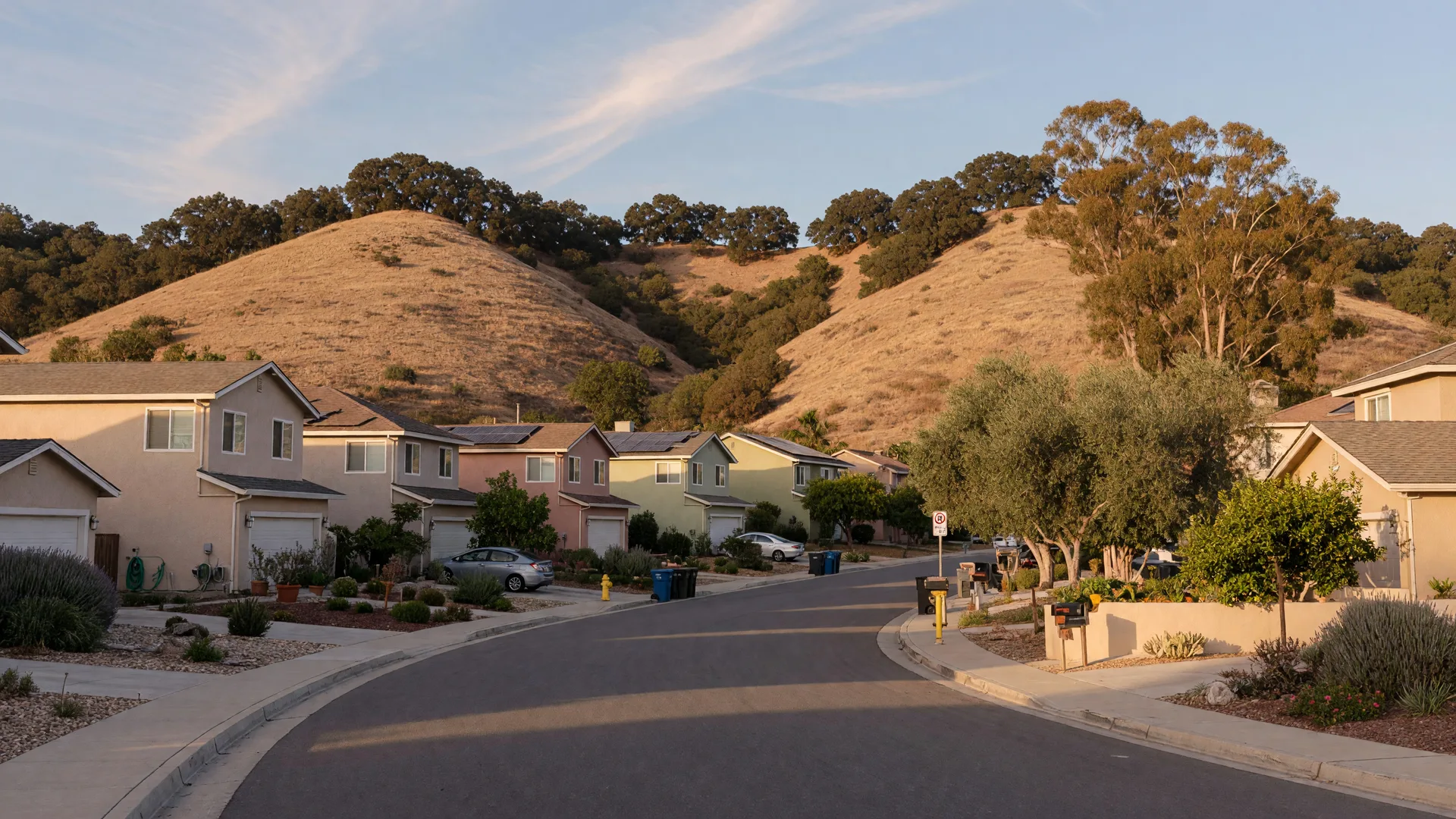
What Is a California Fire Hazard Severity Zone?
By JC Pacific Corp Published 2026-09-01 Last professionally reviewed: September 2026
California Fire Hazard Severity Zones classify areas as Moderate, High, or Very High based on physical conditions that influence fire likelihood and expected behavior.
What factors are considered?
The state's methodology may consider:
- Vegetation and potential fuel
- Terrain
- Fire weather
- Fire history
- Predicted flame behavior
- Ember production and movement
- Other physical conditions
What is the difference between hazard and risk?
CAL FIRE explains that hazard concerns the physical conditions that influence fire likelihood and behavior over time. Risk considers potential damage under current conditions, including structures and mitigation.
In plain language, the zone describes the area's physical setting. What could actually happen to a particular home depends on how that home is built, maintained, and accessed, and on conditions at the time.
Local rules may be stricter than state guidance, so check the map adopted by the property's city or county as well as the state viewer.
Frequently Asked Questions
Does an FHSZ map predict which house will burn?
No.
Are all California lands mapped the same way?
State Responsibility Areas and Local Responsibility Areas involve different mapping and adoption processes.
Does a new map automatically determine insurance price?
The California Department of Insurance should be consulted for current guidance on how public maps and insurance underwriting relate.
Educational information
Use the official map applicable to the property's jurisdiction and date.
Verify the property against the current official state or locally adopted map.
Related guides
All 25 guidesPut this guide to work
The next step is a conversation with a local agent.
JC Pacific Corp is an Irvine-based Southern California brokerage helping buyers navigate offers, escrow, and financing. Tell us what you are looking for and we will point you to current options across the region.
A note on legal advice: These guides provide general, educational information about California real estate practice. They are not legal advice and do not create an attorney-client relationship. Mortgage information is general education, not individualized lending, tax or legal guidance. For advice about your specific offer, contract, closing or financing, consult a qualified California real estate attorney and a qualified mortgage professional.
A note on these wildfire-risk and fire-insurance guides: These articles provide general, educational information about California wildfire hazard, fire insurance, defensible space, and home hardening for buyers and sellers. They are not a fire-science report, an inspection, an appraisal, an insurance policy, a quote, a coverage determination, or a guarantee that any property can be insured, that a carrier will renew, or that any home or mitigation measure is safe or fireproof. A Fire Hazard Severity Zone describes broader physical conditions; it does not predict that a particular home will burn, and hazard is different from the individualized risk posed to a specific structure. No article quotes a premium, discount, policy limit, or regulatory deadline, and none describes a real estate professional as a firefighter, insurance agent, fire scientist, building inspector, or wildfire assessor. Property DNA is only one supporting research service and is never a fire-risk report, NHD report, inspection, appraisal, or insurance determination. Local fire authorities, counties, and cities may enforce rules stricter than state guidance. For a specific property, consult the official state or locally adopted map and current CAL FIRE, California Office of the State Fire Marshal, and California Department of Insurance resources, and direct underwriting and coverage questions to a California-licensed insurance professional.