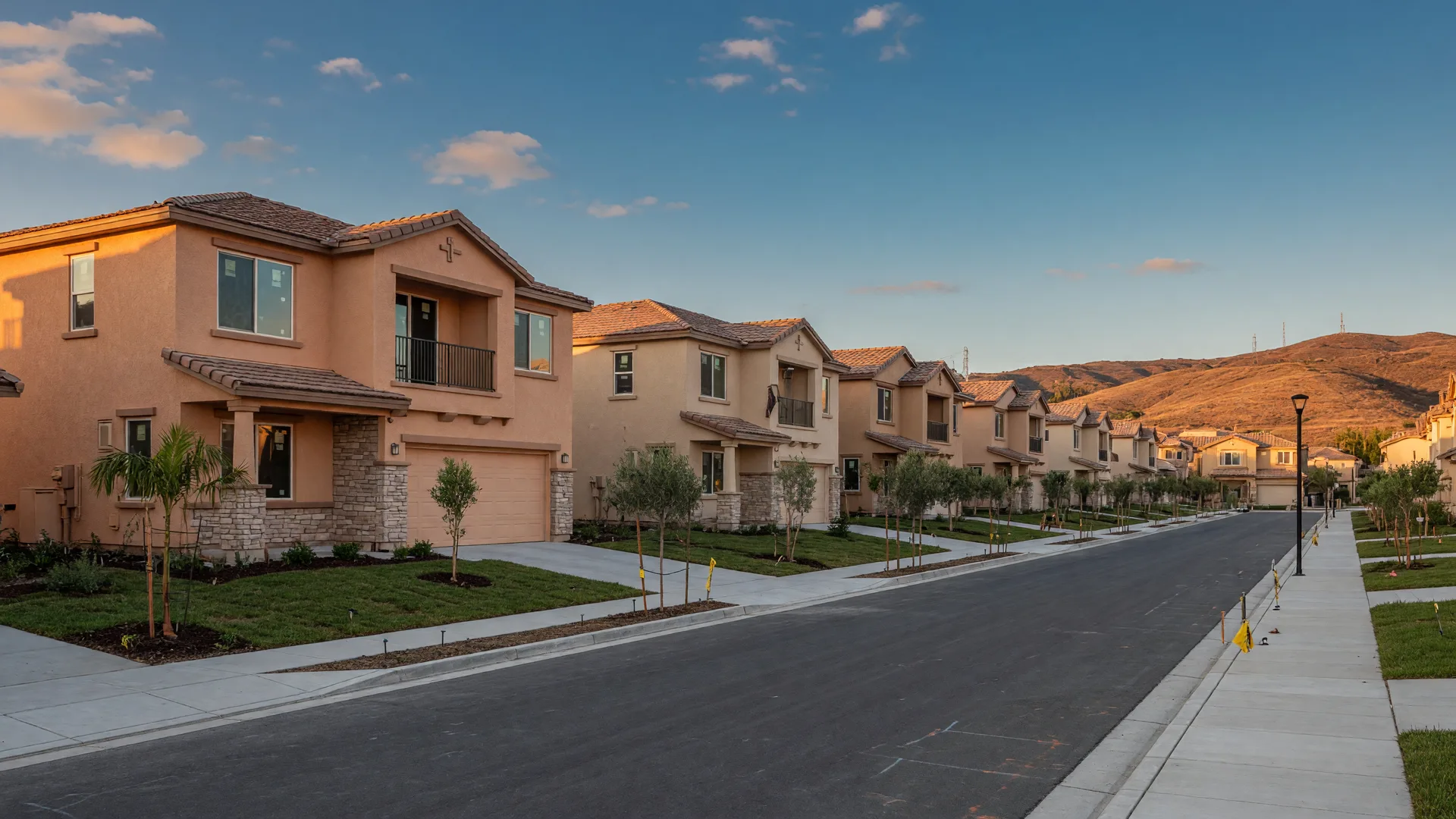
California ADU Costs: What to Research First
By JC Pacific Corp Published 2026-09-01 Last professionally reviewed: September 2026
There is no reliable single statewide price for building a California ADU. Total cost depends on location, size, design, site conditions, utility work, labor, materials, permits, professional services, financing, and whether the project is a conversion, addition, prefabricated unit, or ground-up structure.
What belongs in an ADU budget?
- feasibility studies
- surveying
- architectural or design services
- structural, civil, soils, or energy consultants
- permit and plan-review costs
- utility connections and upgrades
- demolition and site preparation
- foundation and framing
- roofing, windows, and exterior finishes
- plumbing, electrical, and HVAC systems
- kitchens and bathrooms
- fire-safety or access work
- landscaping and drainage restoration
- construction financing
- temporary accommodations
- a contingency reserve
A contractor's headline price may not include every required item.
Why can two similarly sized ADUs cost different amounts?
Site conditions matter. A flat, accessible parcel with nearby utilities may present a very different project from a hillside property with limited access, retaining needs, drainage work, or a distant sewer connection. Costs can also change because of finish quality, labor availability, plan revisions, product lead times, and previously unknown conditions.
How should owners compare estimates?
Compare written scopes, allowances, exclusions, payment schedules, licensing, insurance, timelines, warranties, and change-order procedures, not merely the bottom-line number. Verify a contractor's license through the California Contractors State License Board. Owners should also understand which professional is responsible for design coordination, permits, inspections, utility work, and final sign-off.
Frequently Asked Questions
Is a garage conversion always cheaper?
Not always. Foundation, ceiling-height, moisture, fire-separation, utility, structural, and parking issues can make a conversion more complex than expected.
Will an ADU increase value by more than it costs?
It might increase usefulness and market value, but no one should guarantee a dollar-for-dollar return. A qualified appraiser or real estate professional can help evaluate local market evidence.
How large should the contingency reserve be?
The appropriate reserve depends on the project and risk. Discuss it with the contractor, designer, lender, and financial adviser.
Should I obtain multiple bids?
Competitive, comparable written proposals can help an owner understand pricing and scope differences.
Educational information
This article provides general educational information, not legal, tax, financial, engineering, architectural, insurance, or construction advice. California ADU requirements and local procedures change. Confirm current rules with the city or county, utility providers, qualified contractors, and the appropriate professional advisers before making decisions.
Next step: Start with feasibility, not finishes. Confirm zoning, buildable area, utilities, access, and professional requirements before choosing cabinets or relying on a preliminary price.
Related guides
All 25 guidesPut this guide to work
The next step is a conversation with a local agent.
JC Pacific Corp is an Irvine-based Southern California brokerage helping buyers navigate offers, escrow, and financing. Tell us what you are looking for and we will point you to current options across the region.
A note on legal advice: These guides provide general, educational information about California real estate practice. They are not legal advice and do not create an attorney-client relationship. Mortgage information is general education, not individualized lending, tax or legal guidance. For advice about your specific offer, contract, closing or financing, consult a qualified California real estate attorney and a qualified mortgage professional.
A note on these new-construction guides: These articles provide general, educational information about buying a newly built home in California, including builder pricing and lot premiums, upgrades and design selections, deposits, construction timelines, financing and rate locks, appraisals, inspections, and the walk-through and punch list. They are not legal, tax, appraisal, lending, construction, engineering, inspection, insurance, investment, or financial advice, and they do not create a builder, lender, contractor, inspector, engineer, attorney, or appraiser relationship with the brokerage. Builder contracts, option and selection documents, deposits, rate-lock terms, appraisal procedures, warranties, punch-list obligations, and delivery timelines vary by builder and project and change frequently. These guides do not guarantee completion dates, rental income, property value, financing, or construction costs, and no statement about a lot, view, or premium is a promise that any feature will increase value. Verify current rules with the jurisdiction or agency having authority and consult appropriately licensed legal, tax, lending, appraisal, inspection, engineering, and construction professionals regarding a specific transaction.