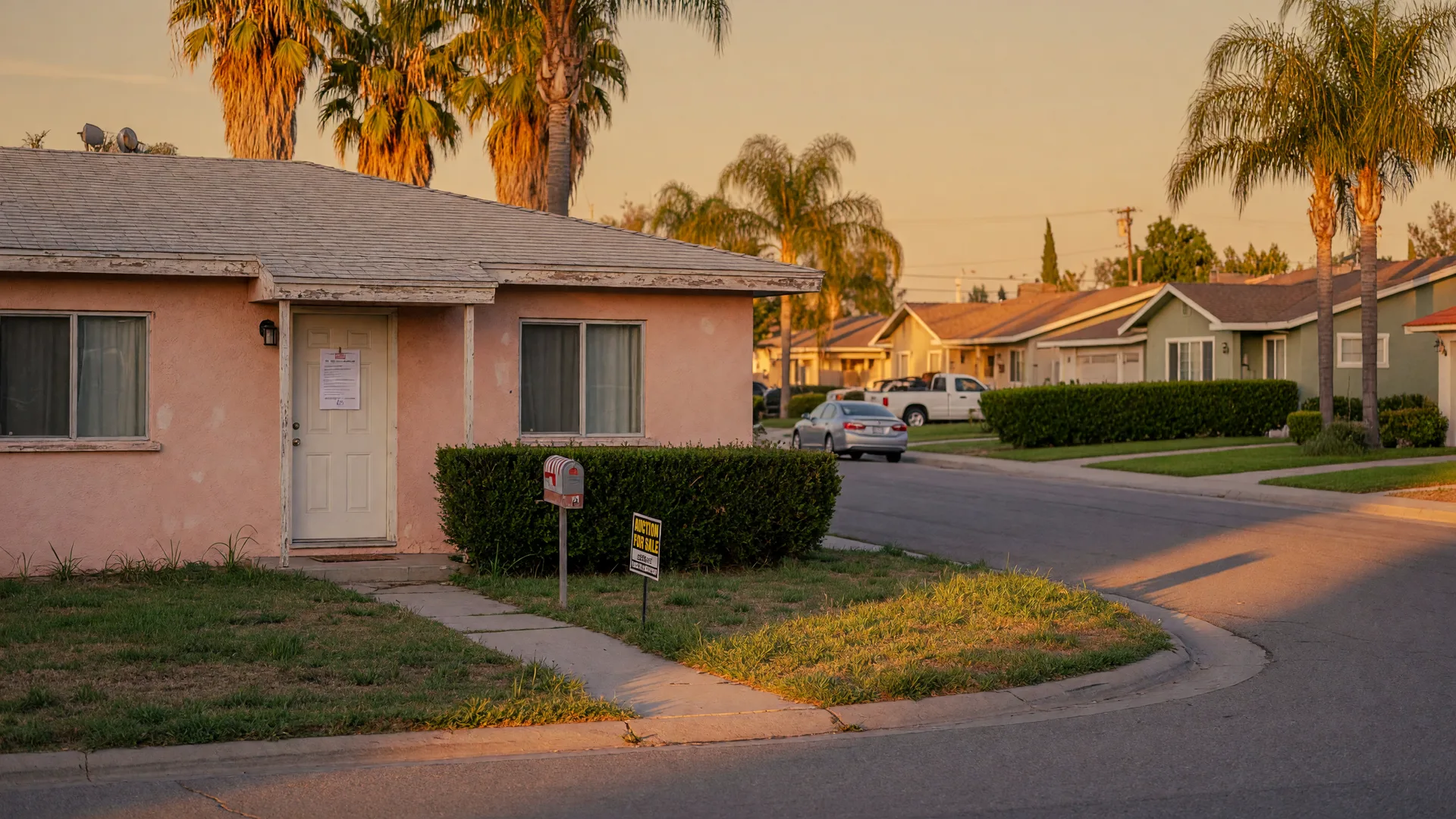
Buying REO and Bank-Owned Homes in California
By JC Pacific Corp Published 2026-09-02 Last professionally reviewed: September 2026
An REO, or real-estate-owned property, is property acquired by a lender or other institution, commonly after a foreclosure sale produces no qualifying third-party purchaser. The owner may later market the property through a more conventional listing process.
How is REO different from auction property?
An REO purchase may permit:
- Property tours
- Inspections
- Purchase financing
- Title and escrow
- Written offers
- Negotiated closing dates
- Some contractual contingencies
However, institutional sellers commonly use their own addenda and sell without making repairs.
What should buyers investigate?
Review:
- Property condition
- Utilities
- Title
- Permits
- Code violations
- Occupancy
- HOA
- Taxes
- Insurance
- Appraisal
- Seller addenda
- Included property
- Repair costs
Review every addendum and disclosure before signing, and use the California Property Research & Distressed Real Estate hub to organize your property research. Talk with a JC Pacific Corp buyer's agent about REO offers, escrow, and financing in Southern California. Property DNA may help organize available ownership, tax, sale, loan, lien, comparable-sale, and recorded-property information; it is one preliminary research service and never replaces a title search, title insurance, inspection, appraisal, or legal and tax advice.
[JOHN'S PERSPECTIVE: Add John's distressed-property, public-record, investor, or title-research experience here.]
Next step
Evaluate an REO based on total cost and condition, not the assumption that bank ownership guarantees a bargain.
Frequently Asked Questions
Will the bank repair the property?
Possibly, but many REOs are sold as-is.
Does the bank know the home's history?
Often, the institutional owner has limited personal knowledge.
Is an REO always below market value?
No.
Educational information
This article provides general educational information and is not legal, tax, foreclosure, bankruptcy, title, investment, lending, appraisal, code-enforcement, probate, or auction advice. Deadlines, statutes, court procedures, auction terms, liens, title conditions, and government records are property-specific and change. Readers should independently verify current information and consult qualified professionals.
Evaluate an REO on total cost and condition rather than the assumption that bank ownership guarantees a bargain, and review the institutional seller's addenda with your agent and counsel before signing. Contact JC Pacific Corp for support with REO offers, escrow, and financing.
Related guides
All distressed-property guidesPut this guide to work
The next step is a conversation with a local agent.
JC Pacific Corp is an Irvine-based Southern California brokerage helping buyers navigate offers, escrow, and financing. Tell us what you are looking for and we will point you to current options across the region.
A note on legal advice: These guides provide general, educational information about California real estate practice. They are not legal advice and do not create an attorney-client relationship. Mortgage information is general education, not individualized lending, tax or legal guidance. For advice about your specific offer, contract, closing or financing, consult a qualified California real estate attorney and a qualified mortgage professional.
A note on these distressed-property and public-record guides: These articles provide general, educational information about California distressed property, foreclosure, trustee sales, auction purchases, and bank-owned homes. They are not legal, tax, foreclosure, bankruptcy, title, investment, lending, appraisal, code-enforcement, probate, or auction advice, and JC Pacific Corp is not a court, foreclosure trustee, government agency, title insurer, law firm, tax collector, or code-enforcement authority. Deadlines, statutes, court procedures, auction terms, liens, title conditions, and government records are property-specific and change. Auction purchases may provide limited access, disclosures, financing, title protection, or possession certainty. Never pay unverified parties or sign documents you do not understand, and never rely on email instructions for wiring funds; always verify wire instructions by telephone using a known, independently confirmed number. Public records support research but are not a substitute for professional title work. Property DNA may help organize available ownership, tax, sale, loan, lien, comparable-sale, and recorded-property information; it is one preliminary research service under our services and never replaces a title search, title insurance, trustee-sale guarantee, litigation guarantee, deed verification, court-file review, probate or foreclosure counsel, tax-sale research, permit records, code-enforcement records, survey, property inspection, appraisal, government confirmation, or legal and tax advice. Homeowners facing foreclosure should contact their loan servicer, a HUD-approved housing counselor at hud.gov/counseling, California Courts at selfhelp.courts.ca.gov/foreclosures, legal aid, or qualified counsel.